 Learn More
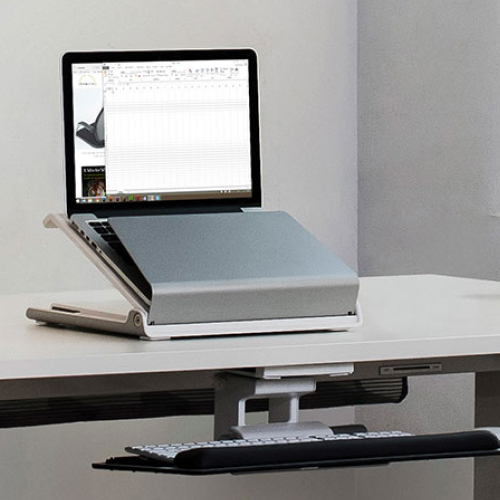
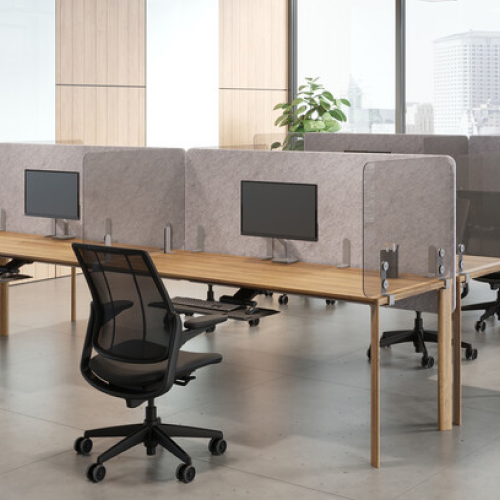
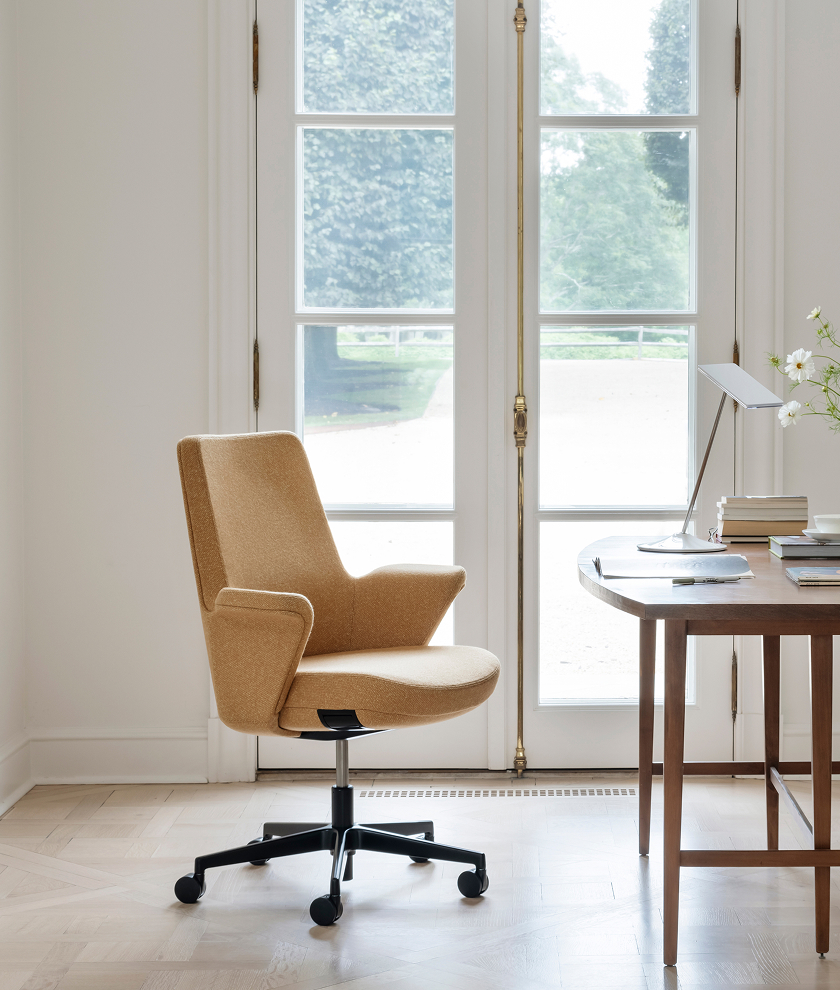
.png)
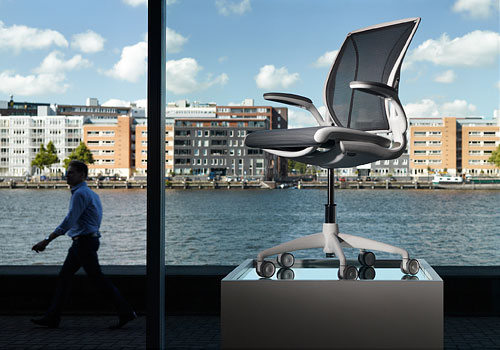

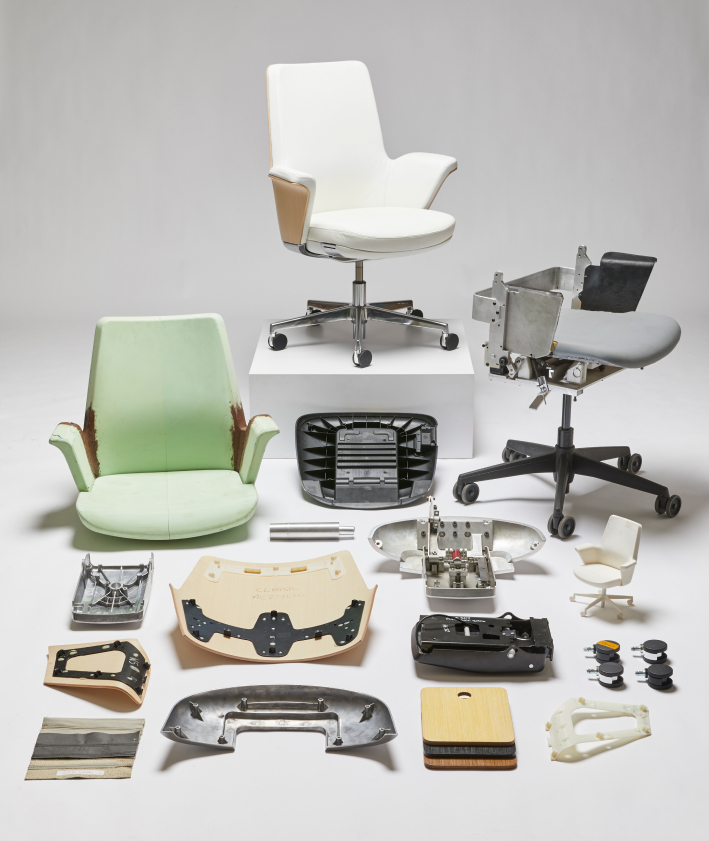
Less Waste, By Design
For decades, we've been creating products for reuse by designing for serviceability and repair.
Humanscale reduces manufacturing waste by extending the life of our products and ensuring they don't end up in landfills. We consider circularity in two phases: product design and the circular system through which the product gets reused.
For decades, our products have been designed around four key pillars to optimize for a circular model.
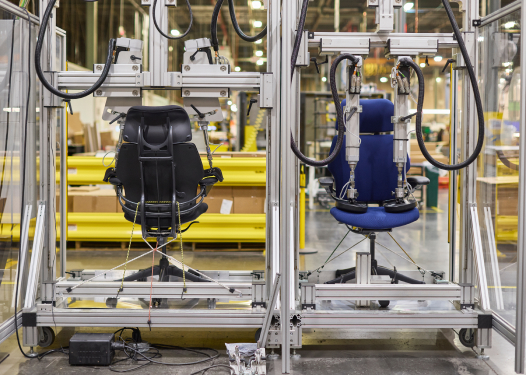
01 Longevity
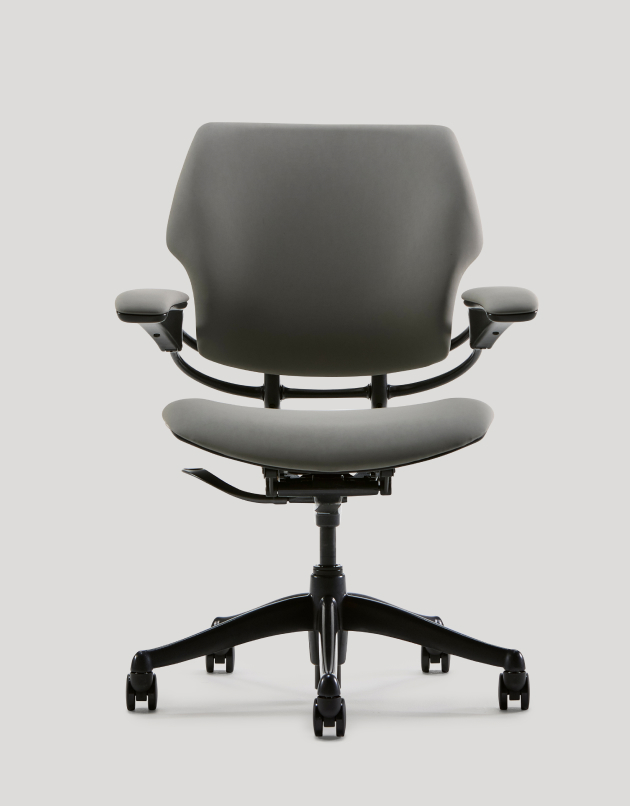
Many of the components in our products are durable enough to be used a second and even third time. This inherent durability allows for an extended life, far beyond its initial use.
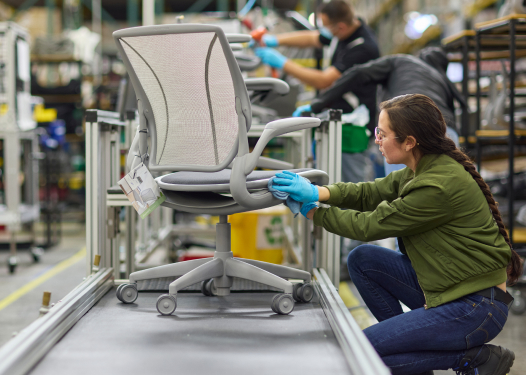
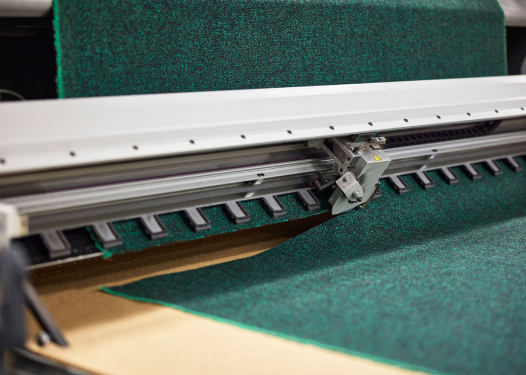
02 Serviceability
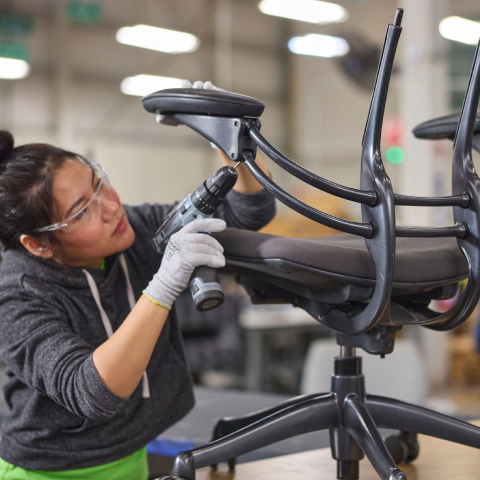
Our products are designed in such a way that it's simple to refresh certain components as needed, without having to completely disassemble or discard the entire product.
03 Material Health
Since our intent is to reuse our products again and again, we prioritize the use of non-toxic materials to ensure harmful chemicals, like carcinogens, don't continue to recirculate in the environment.
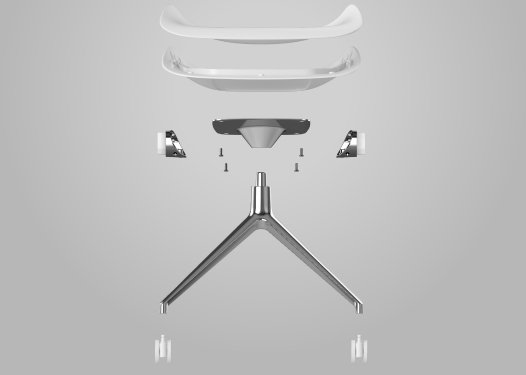
04 Simplicity
Our chairs have significantly fewer parts – about half the parts as other chairs – reducing their overall footprint and making it easier to replace parts individually.
Furniture waste is challenging to manage. The materials used, like wood, metal, and various plastics, are often difficult to recycle. Proper waste management practices are crucial to mitigate the environmental impacts, including pollution and resource depletion.
The United Nations Environment Programme
Municipal solid waste is projected to increase from 2.1 billion tonnes in 2023 to 3.8 billion tonnes by 2050.
From Linear To Circular
Challenging the status quo
The current economy can be described as linear: we buy products, use them, then throw them away.
In a circular economy, old products become the raw material for new products. This approach offers substantial environmental benefits by reducing energy consumption, cutting greenhouse gas emissions, minimizing natural resource extraction, preserving ecosystems, and reducing harmful mining activities.

Actually implementing a circular economy in the furniture industry is challenging due to high recycling costs, logistical issues, and inadequate processing infrastructure. The "fast furniture" culture, with its disposable, low-quality products, complicates matters further, requiring significant changes in manufacturing, consumer behavior, and waste management.
See how we're making circularity a reality.
Bob King, Founder and CEO, Humanscale
We believe that it's our responsibility to ensure that both people and the planet are better off because we're here.
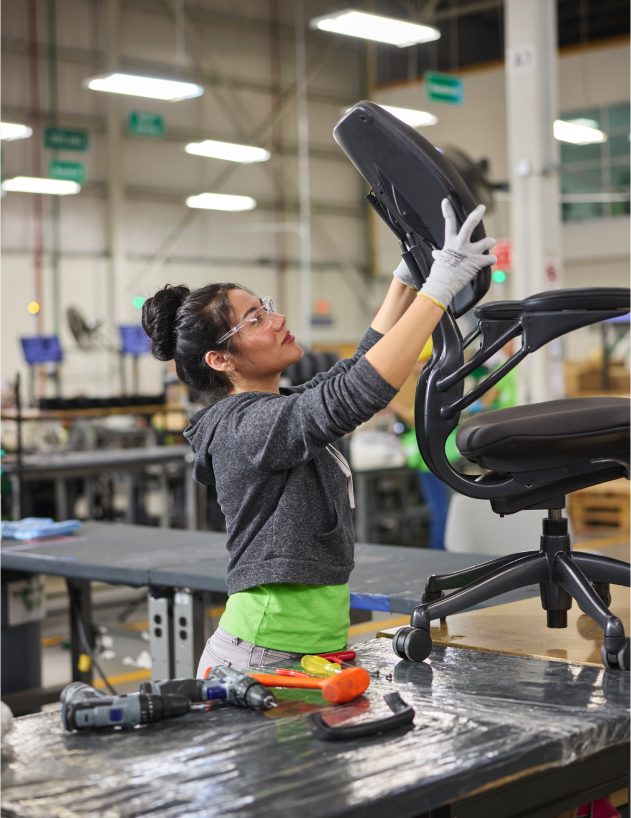
Textiles, arm pads, gas cylinders, and casters being replaced per protocol.

Our sustainability approach focuses on minimizing our environmental impact and creating positive impacts that leave the world better off.
The Road to Circularity
Testing success in the field
We've spent the last few decades designing products to be circular. But circularity doesn't happen on its own. Now that our durable products are coming to the end of their long life, we're setting up the systems to make sure the products can cycle through again. And again. And again...
Over the last few years, we've been piloting and testing parts of circular cycle to ensure that the entire system will succeed.